

















mtLYONS
Turning unstable feeds into predictable performance.
The LFCU is a surge and feed-control unit that stabilises slurry density to within ±1%, de-slimes and densifies the feed so your downstream plant can run harder, longer and with fewer surprises.

How the mtLYONS tames a wild feed
Let’s be honest: most surge bins underperform. They struggle with inconsistent discharge, density fluctuations, and operational inefficiencies that ripple through the entire process. The mtLYONS is engineered to do the opposite - delivering stability, precision, and performance where it matters most.
At a glance: ±1% underflow density variation, 65–70% solids by weight, and still fully pumpable - delivering consistent, efficient control in real operation.
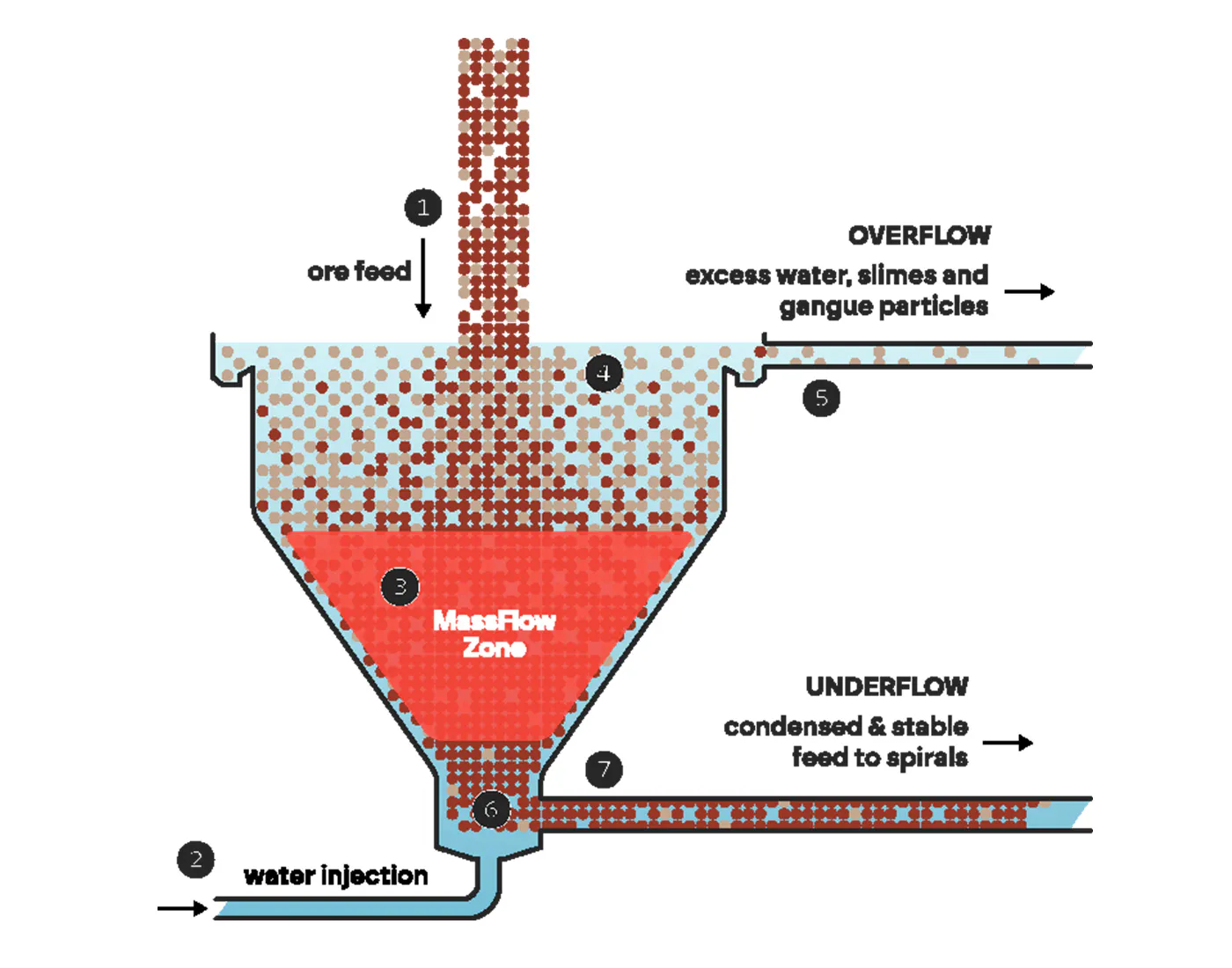
Absorb variability
The LFCU sits between upstream mining/crushing and the separation circuit, acting as a true surge bin. It accepts highly variable flows and densities and provides the first level of homogenisation.
Consolidate into a dense bed
Slurry enters from the top. Solids settle and compact inside the steep-walled bin, forming a stable, fully usable dense bed rather than a partially active volume.
Re-fluidise on demand
Controlled water injection at the base re-mobilises compacted material, keeping the dense bed moving and preventing hang-ups or rat-holing.
Push slimes and excess water out
Lighter, fine particles and excess water move upward into an overflow zone. Slimes and unwanted gangue report to overflow, while valuable, denser solids remain in the bed.
Discharge a controlled, high-density underflow
The re-fluidised slurry at the bottom exits under automatic control at a steady density and feed rate – typically ±1% density variation and ~65–70% solids – giving downstream equipment the stable feed it was designed for.

The working principle in detail
Lorem ipsum dolor sit amet, consectetur adipiscing elit, sed do eiusmod tempor incididunt ut labore et dolore magna aliqua. Quis ipsum suspendisse ultrices gravida. Risus commodo viverra maecenas accumsan.

Autogenous classification and slimes reduction
Within the mtLYONS, the dense bed and upward wash create natural classification:
- By particle size – fine material preferentially reports to overflow, coarse particles settle.
- By mineral density – lighter gangue (e.g. clays, silicates) tends to overflow; heavier valuable minerals (e.g. ilmenite, zircon, magnetite) remain in the bed and discharge to underflow.
This passive effect upgrades the feed before it reaches the separation circuit, acting as both a feed stabiliser and a combined density/size classifier.
Tailings densification and water recovery
Where water is scarce or tailings transport and storage costs dominate, the LFCU transforms tailings management from a dilute pumping problem into a controlled densification step:
- High-density tailings discharge
- Tailings settle and consolidate in the cone section. Base water injection gently re-mobilises the compacted solids, allowing discharge at very high solids concentration while remaining pumpable. Water content can be reduced by up to ~48%, shrinking pumping and storage volumes.
- Recycled overflow water
- As solids compact, clarified water rises and exits via the overflow. This water is clean enough to be recycled to upstream process steps, improving water efficiency and lowering make-up demand.
- Reduced equipment and environmental footprint
- A dense, pumpable underflow can often be sent directly to tailings lines or further handling, reducing or eliminating boom stackers, cyclones or secondary thickening. That means fewer pieces of equipment, less mobile plant use, and a smaller tailings and water footprint.
Adaptable technology for the most demanding ore bodies.
Many operators are unsure if a feed control system will work for their specific ore type. The LFCU is engineered for versatility. Whether your project involves heavy-duty extraction or fine beneficiation, the unit adapts to your specific challenges:
- Iron Ore: Essential for processing hematite and magnetite fines where slime management is critical.
- Magnetite: Provides the necessary density stability to ensure efficient magnetic separation.
- Mineral Sands: Effective in handling heavy mineral concentrates and separating fine clay from valuable ilmenite or rutile.
- Copper/Gold (Sulphides): Utilized in flotation circuits to ensure a stable feed density for optimal chemical reactions.
The LFCU is a universal tool for plant engineers looking to standardise their process inputs.

Precision density control
Layout and control philosophy deliver stable underflow density (±1% vs ±3–4% for typical surge bins).
Steep wall angles and mass-flow design
Steep (~60°) wall angles and mass-flow bin geometry promote reliable discharge and avoid stagnant zones and rat-holing.
Optimised internal surfaces, no dead zones
Surface finishes and internal details minimise hang-ups and keep the entire volume active and usable.
Base water injection network
Precisely positioned injectors re-fluidise compacted solids, ensuring consistent discharge even after long holds or process upsets.
Tailored internal geometry
The internal shape of the cone and flow zones is customised from testwork to match each ore’s flow behaviour and desired classification.
Real-world surge capacity
Height, volume and interfaces are designed to handle genuine feed swings (for example, dredge flows ranging from 500–2,500 tph) so the bin protects the plant rather than passing variability downstream.
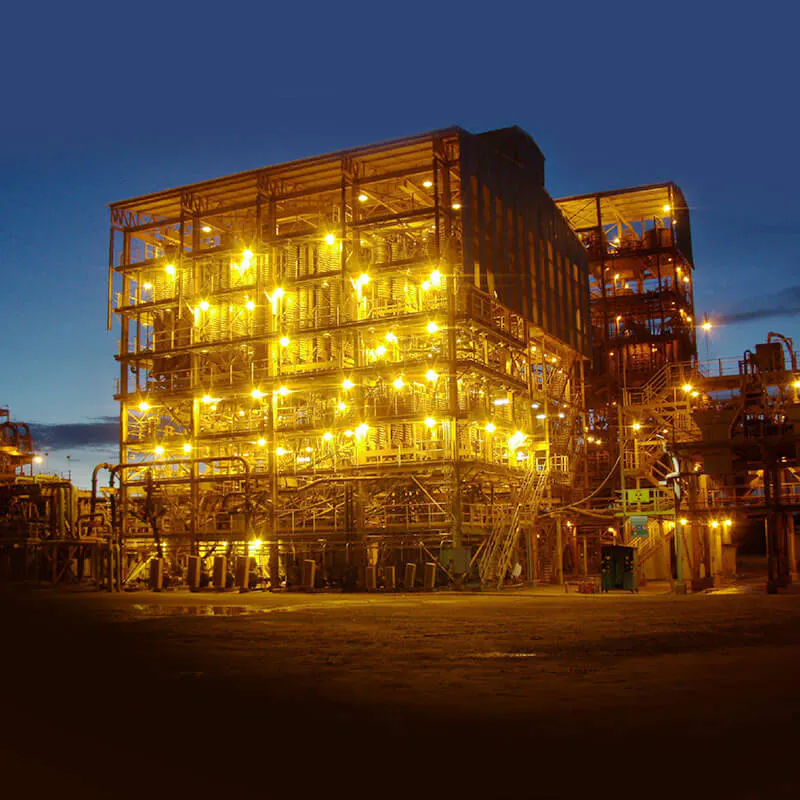
9.5m dia, 350 t capacity. Desliming feed (cut at 53um).
Lorem ipsum dolor sit amet, consetetur sadipscing elitr, sed diam nonumy eirmod tempor invidunt ut labore et dolore magna aliquyam erat, sed diam voluptua. At vero eos et accusam et justo duo dolores et ea rebum. Stet clita kasd gubergren, no sea takimata sanctus est Lorem ipsum dolor sit amet.
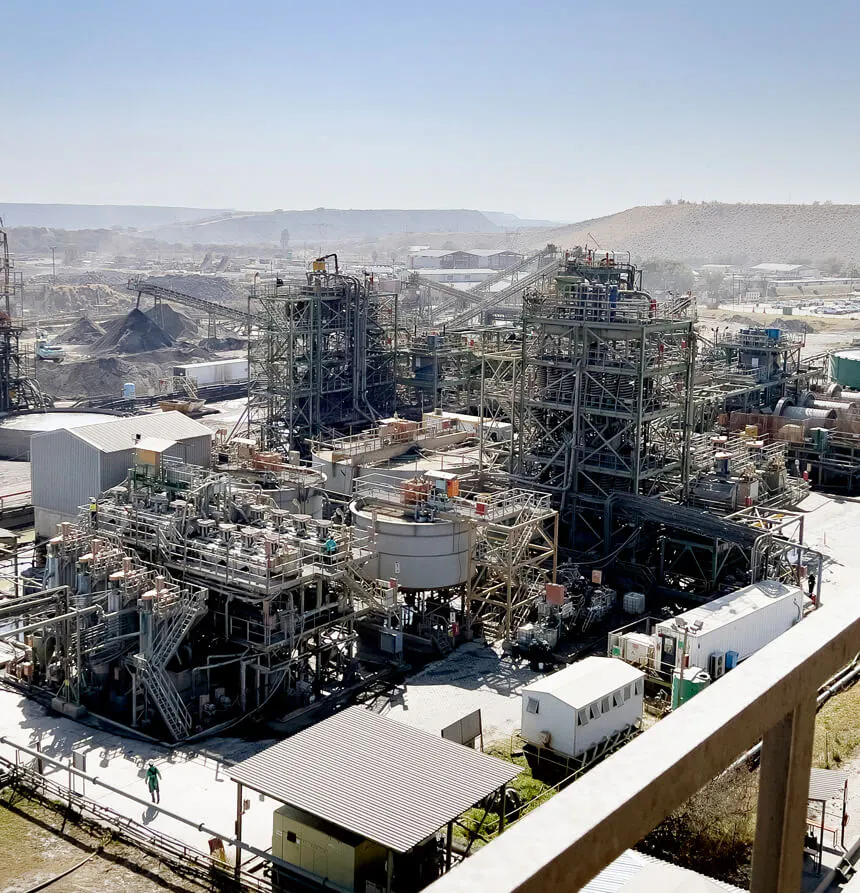
13.5m dia, 1000 t capacity. Desliming feed (cut at 53um).
Lorem ipsum dolor sit amet, consetetur sadipscing elitr, sed diam nonumy eirmod tempor invidunt ut labore et dolore magna aliquyam erat, sed diam voluptua. At vero eos et accusam et justo duo dolores et ea rebum. Stet clita kasd gubergren, no sea takimata sanctus est Lorem ipsum dolor sit amet.
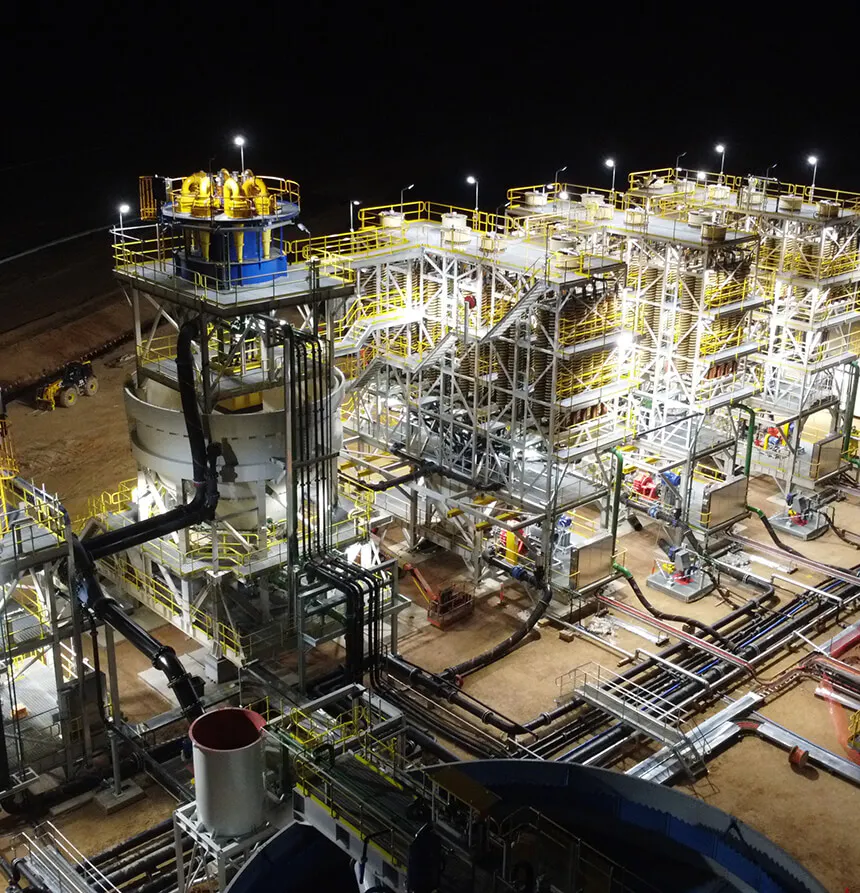
16m dia, 8000 t/h throughput. 1500 tonne storage.
Lorem ipsum dolor sit amet, consetetur sadipscing elitr, sed diam nonumy eirmod tempor invidunt ut labore et dolore magna aliquyam erat, sed diam voluptua. At vero eos et accusam et justo duo dolores et ea rebum. Stet clita kasd gubergren, no sea takimata sanctus est Lorem ipsum dolor sit amet.
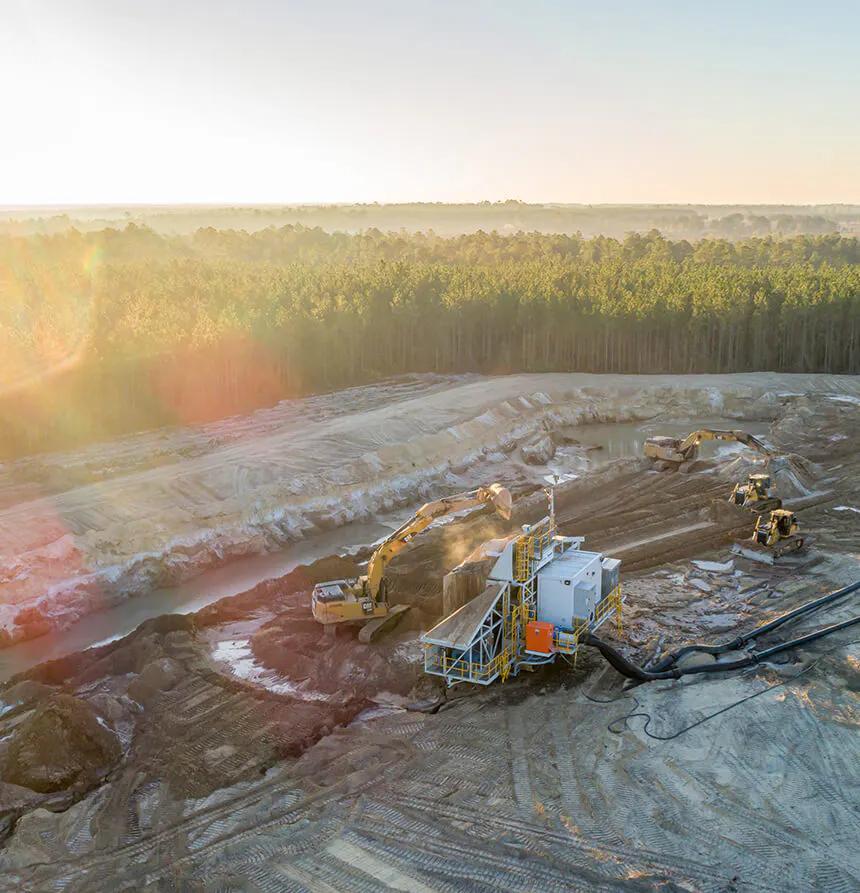
13.5m dia, 3156 t/h throughput. 1000 tonne storage. Tails densification
Lorem ipsum dolor sit amet, consetetur sadipscing elitr, sed diam nonumy eirmod tempor invidunt ut labore et dolore magna aliquyam erat, sed diam voluptua. At vero eos et accusam et justo duo dolores et ea rebum. Stet clita kasd gubergren, no sea takimata sanctus est Lorem ipsum dolor sit amet.
Frequently Asked Questions about mtLYONS
FAQ 1
Text
FAQ 2
Text
FAQ 3
Text
FAQ 4
Text
FAQ 5
Text